


Glaucoma Treatment in Ventura, CA
Glaucoma Consultation and Evaluation
Several of our Doctors are now Certified for use of the newest technology: iStent: Dr. John Davidson and Dr. William Trotter. Typically implanted during cataract surgery, iStent® device can effectively lower Intra Ocular Pressure (IOP), one of the most important risk factors for glaucoma, and may reduce your reliance on glaucoma medication at the discretion of an eye care professional. View Informational PDF About iStent®.
What Is Glaucoma?
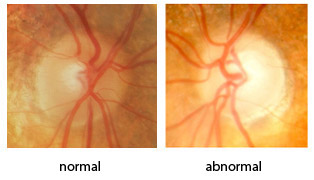 Glaucoma occurs when the pressure inside the eye rises high enough to damage the optic nerve and cause permanent vision loss. Early diagnosis of glaucoma not only involves checking eye pressures, but also requires careful examination of the optic nerves. Treatment is administered to lower pressure in the eye and prevent vision loss.
Glaucoma is the leading cause of blindness and visual impairment in the US, and can affect patients of all ages, many of whom do not experience any symptoms and may not be aware that they have the disease. Glaucoma actually refers to a group of diseases that cause damage to the optic nerve as a result of increased pressure within the eye, but can also be caused by a severe eye infection, injury, blocked blood vessels or inflammatory conditions of the eye.
Different Types of Glaucoma
There are two main types of glaucoma, open-angle and angle-closure. Open-angle glaucoma is the most common type of glaucoma and involves fluid in the eye not draining properly through the trabecular meshwork. Angle-closure glaucoma involves a sudden buildup of pressure in the eye and poor drainage because the angle between the iris and the cornea is too narrow.
Glaucoma Symptoms
Many patients do not experience any symptoms during the early stages of glaucoma, including no pain and no vision loss. This makes it difficult for many patients to know if they have the disease. But as glaucoma progresses, patients may experience a loss of peripheral or side vision, along with sudden eye pain, headache, blurred vision or the appearance of halos around lights.
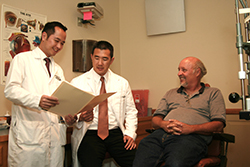 While some patients may experience symptoms from glaucoma as the disease progresses, others do not learn they have the condition until they undergo a routine eye exam. There are several different exams performed to diagnose glaucoma, including a visual field and visual acuity test. These tests measure peripheral vision and how well patients can see at various distances. Other tests may also be performed, such as tonometry to measure the pressure inside the eye and pachymetry to measure the thickness of the cornea.
Read what our patients are saying!
"Dr. Davidson was so patient with me and my concerns, his time spent with me went above and beyond what was necessary. His attention helped to allay my fear and I am now so glad that I went through with the surgery. I have the Restor lens in both eyes and am now 20/20 without glasses! Thanks to Dr. Davidson and the Restor lens - I can see!"
Click here to read more reviews.
Glaucoma Prevention
While there are no surefire ways to prevent glaucoma from developing, regular screenings and early detection are the best forms of protection against the harmful damage that the disease can cause. While anyone can develop glaucoma, some people are at a higher risk for developing disease. These people may include those who:
- Are over the age of 60
- African Americans over the age of 40
- Have a family history of glaucoma
- Have poor vision
- Have diabetes
Patients should have a comprehensive dilated eye exam at least once every two years, especially if they have a higher risk of developing glaucoma. Older patients may be encouraged to be tested more frequently. We serve patients in the entire Ventura County and southern Santa Barbara County.
View Our Glaucoma Consultation & Evaluation FAQ's
Miramar Eye Specialists Medical Group are the first in Los Angeles area to have the Alcon “Heads-Up” system for retina-vitreous eye surgeries. Read about it in Ventura County Star.
To learn more about our Ophthalmology Services, please call us at 805.648.3085 to schedule an appointment!